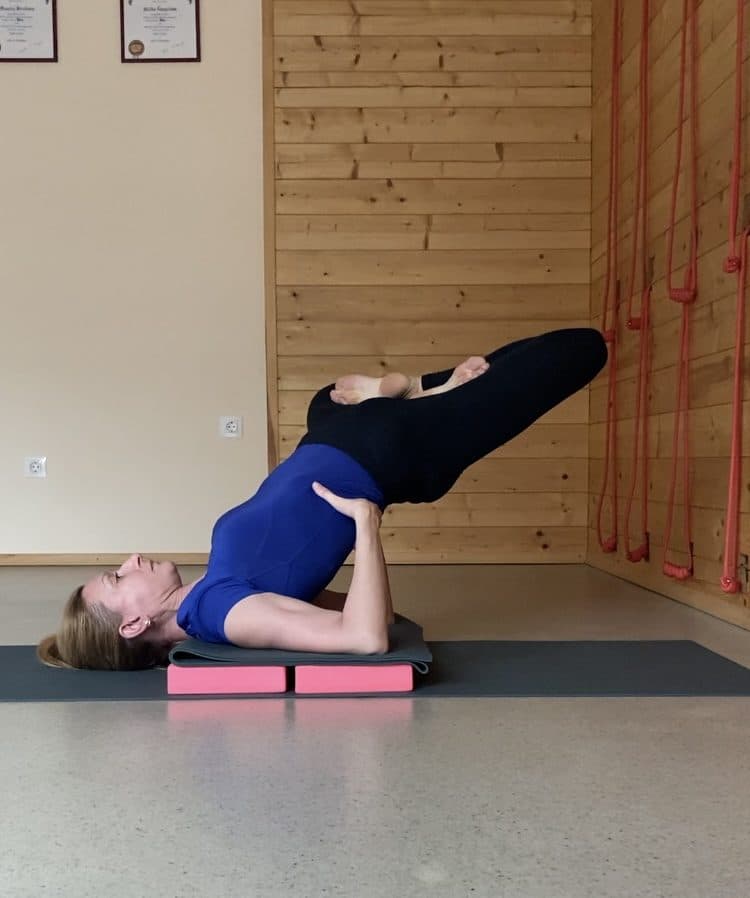
How Reformer Pilates Transforms Your Posture
Why posture matters more than you think
Poor posture isn't just about appearance — it affects breathing, digestion, energy levels, and pain. When your shoulders round forward and your head juts ahead, your chest compresses and your lungs can't fully expand. Your spine bears load unevenly, leading to chronic pain. Most of my students in Sofia spend 8+ hours sitting at desks, and the postural patterns I see are remarkably consistent: tight chest, weak upper back, inactive glutes, and compressed lower spine.
How the reformer targets postural muscles
The reformer is uniquely effective for posture because the spring resistance works muscles through controlled, full-range movement while the body is supported. Unlike free weights, the springs provide consistent tension in both directions — pushing and returning. This trains the deep stabilizing muscles that hold your skeleton in alignment: the transverse abdominis, multifidus, lower trapezius, and deep hip rotators. These are muscles you can't easily target with regular gym exercises.
Key exercises for posture correction
Long spine stretch on the reformer lengthens the entire posterior chain while strengthening the core. Pulling straps in prone position activates the upper back muscles that counteract rounded shoulders. Footwork in parallel alignment teaches your legs and pelvis to support your spine correctly. Eve's lunge opens the hip flexors that tighten from sitting. I sequence these exercises deliberately — each one prepares the body for the next.
Results timeline: what to expect
Most students notice improved awareness of their posture within the first two weeks — you catch yourself slouching and correct it. Visible postural changes typically appear after six to eight weeks of twice-weekly practice. By three months, students report that good posture feels natural rather than effortful. Full postural transformation takes six months to a year, depending on the severity of existing patterns and consistency of practice.
Frequently Asked Questions
Can reformer Pilates fix years of bad posture?
Yes, but it requires consistent practice and patience. The body adapted to poor posture over years, so retraining takes time. Most students see significant improvement within three to six months of regular practice. The reformer is particularly effective because it both strengthens weak muscles and lengthens tight ones simultaneously.
I sit at a desk all day — will Pilates help?
Absolutely — desk workers are actually the people who benefit most from reformer Pilates. The exercises specifically target the muscle imbalances that prolonged sitting creates. Many of my students are office professionals in Sofia who notice dramatic improvements in comfort and energy after starting regular practice.
How often do I need to practice for posture improvement?
Twice weekly is the minimum for real postural change. Three times weekly accelerates results significantly. Between sessions, simple awareness habits help — setting reminders to check your posture, adjusting your workstation, and doing the standing exercises I teach for office breaks.