The Healing Power of Restorative Yoga
What restorative yoga actually is
Restorative yoga is the practice of complete, supported stillness. Using bolsters, blankets, blocks, and straps, the body is held in gentle poses for 5-15 minutes each. The goal isn't stretching or strengthening — it's activating the parasympathetic nervous system, the body's rest-and-repair mode. It is perhaps the most underestimated branch of yoga.
How it differs from active practice
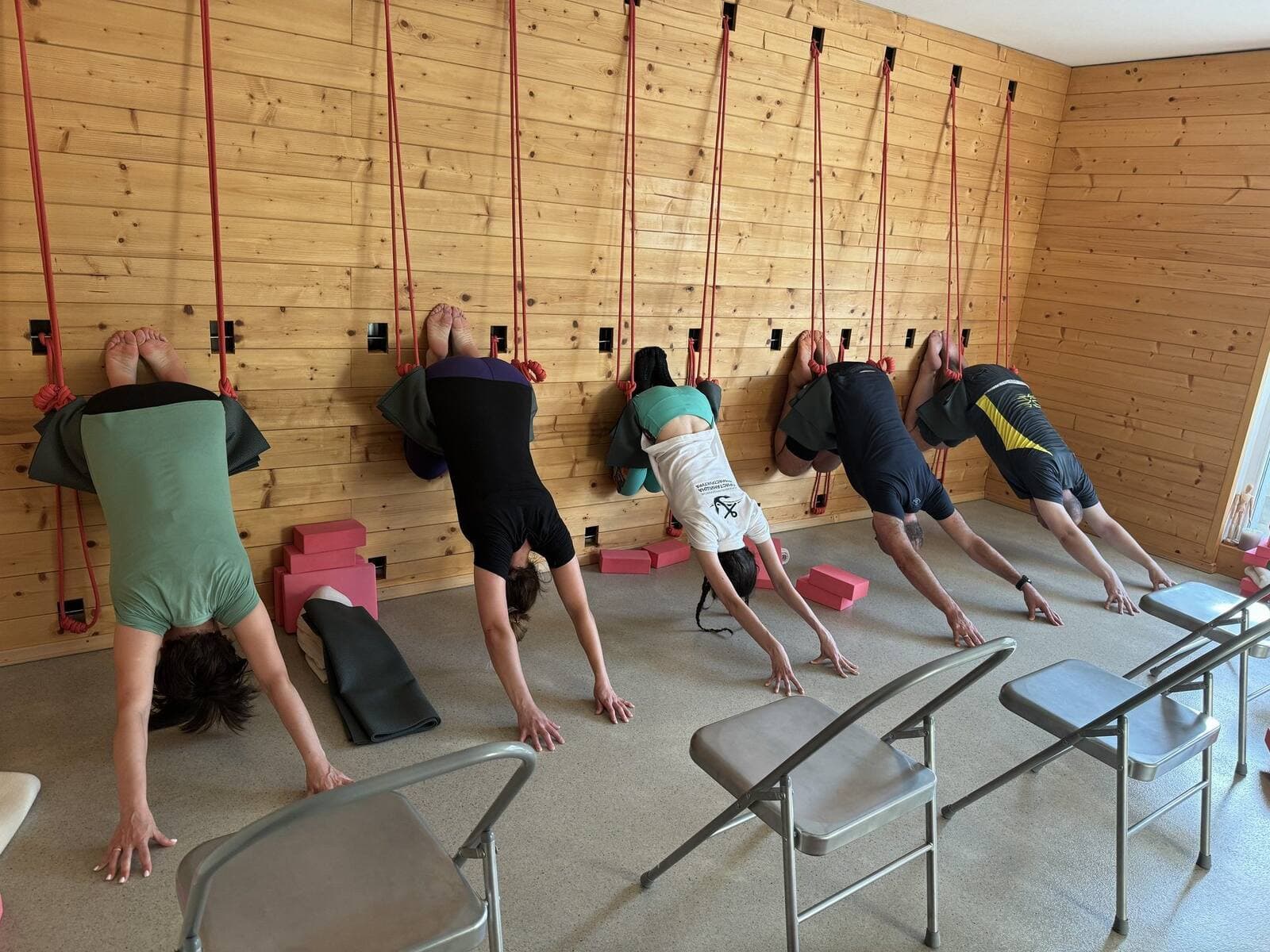
In active yoga, you engage muscles, build heat, and challenge the body. In restorative yoga, you do the opposite — you release everything. The props hold you so completely that your muscles can fully let go. This isn't laziness; it's a profound practice. Many people find it harder than vigorous yoga because it requires surrendering control.
Who benefits most from restorative yoga
Restorative yoga is particularly valuable for people experiencing chronic stress, burnout, insomnia, anxiety, or recovery from illness or surgery. It's also powerful for anyone going through a difficult life period. I often recommend it to students who push themselves hard in other areas of life and have forgotten how to genuinely rest.
What a typical restorative session looks like
A typical restorative session includes 4-6 poses, each held for 5-15 minutes. We might begin with Supta Baddha Konasana (supported reclined butterfly), move to a supported forward fold, then a gentle twist, and finish with Savasana with full props. The room is quiet, sometimes with soft lighting. By the end, most students feel as rested as after a long sleep.
Frequently Asked Questions
Is restorative yoga really yoga? It looks like just lying around.
It's deeply yogic — in fact, B.K.S. Iyengar developed many restorative techniques specifically for healing. The internal work is profound: learning to release tension, calm the nervous system, and be fully present without doing. Many experienced practitioners say restorative yoga is the most challenging practice they do.
Can I do restorative yoga at home?
Yes, with the right props. You need bolsters (or firm pillows), blankets, and blocks. Start with simple supported poses like legs up the wall or supported bridge. However, learning the setups from a teacher first ensures you position the props correctly — small adjustments make a big difference in restorative work.
How often should I practice restorative yoga?
Once a week is a beautiful complement to active practice. During high-stress periods or recovery from illness, you might increase to 2-3 times weekly. Some students dedicate one session per week entirely to restorative work and find it transforms their sleep, mood, and overall energy.