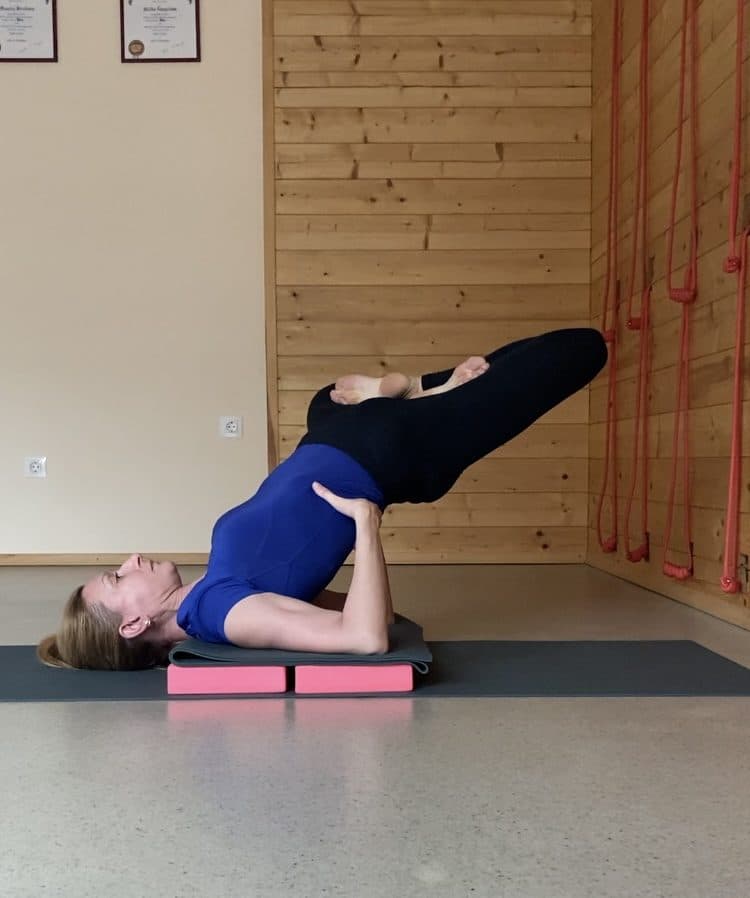
Iyengar Yoga for Back Pain: How It Helps and What to Expect
Why your back hurts — and how yoga addresses the causes
Most back pain doesn't come from structural problems, but from muscle imbalances — weak core, tight hip flexors, rounded shoulders, misaligned ribs. These create strain on the spine. Iyengar yoga systematically addresses each.
Which poses help most
In therapeutic Iyengar yoga for the back, we work with several key pose groups. Supta Padangusthasana (reclined hand-to-big-toe pose) with a belt. Forward bends with props to protect the spine. Supported backbends to rebuild confidence. Gentle twists to decompress.
My personal story with back pain
I started practicing Iyengar yoga in 2013 because of persistent back pain that nothing else touched. I was skeptical. After one month, I felt the difference. After six months, the pain was gone. After ten years, it hasn't returned. This is why I became a teacher.
First steps — how to start safely
If you have back pain, I recommend starting with a private session where I can assess your condition and design specific poses and modifications for you. Many issues require individual attention.
The scientific evidence
When I started practicing yoga for back pain in 2013, I wish I'd known the research backing this choice. Systematic reviews in reputable journals—including the Journal of the American Medical Association—show that yoga significantly reduces chronic back pain and improves function. One influential study found yoga as effective as physical therapy for chronic lower back pain. Neuroimaging studies reveal yoga reduces pain signaling in the brain and increases gray matter in pain-processing regions. Research demonstrates yoga improves flexibility, strengthens stabilizer muscles, and enhances proprioception—your body's awareness of itself in space. These factors combine to create lasting pain relief rather than temporary symptom management. The precision alignment emphasis in Iyengar yoga amplifies these benefits by ensuring you're moving correctly rather than reinforcing harmful patterns. My own transformation from debilitating back pain to pain-free practice convinced me personally. The research simply validated what I experienced.
When NOT to practice
Safety comes first. For acute injuries—sudden pain, recent trauma—consult your doctor before practicing. After surgery, wait for medical clearance before resuming yoga; tissues need proper healing time. Severe disc herniations sometimes require medical intervention before yoga is safe. If pain suddenly worsens with yoga, stop and seek professional assessment. High fever, acute illness, or severe dizziness indicate rest rather than practice. I had a student with untreated high blood pressure who practiced intense yoga, making their condition worse. Always inform your doctor about yoga, especially with serious conditions. During menstruation, some students prefer gentle practice over intense poses; listen to your body. Yoga is healing, but it's not a substitute for medical care when needed. Understanding when to rest is as important as knowing when to practice.
Yoga and physiotherapy—or together?
They complement beautifully. Physiotherapy addresses acute injury and dysfunction through targeted exercises and manual therapy. Yoga builds long-term resilience, flexibility, and functional strength preventing future injury. I often recommend students combine both: physiotherapy for acute rehabilitation, yoga for maintenance and deeper understanding of movement. Talk with both your physiotherapist and yoga teacher—when they communicate, you receive truly integrated care. Your physiotherapist might ask you to avoid certain positions, which I incorporate into modifications. Some sports medicine doctors now recommend yoga alongside physiotherapy because it accelerates healing and reduces recurrence. I've noticed students who practice yoga consistently between physiotherapy sessions recover faster with fewer complications. The precision alignment in Iyengar yoga particularly supports physiotherapy by reinforcing proper movement patterns. Rather than choosing one, strategic use of both offers optimal outcomes.
Daily habits for a healthy back
Yoga helps, but daily habits matter tremendously. I recommend an ergonomic workspace—monitor at eye level, feet flat, chair supporting your lower back. Take micro-breaks hourly: stand, stretch, move. Sitting for hours is devastating for backs; our ancestors moved constantly. Poor posture during desk work undoes benefits from practice. When sitting, engage your core gently; your back muscles shouldn't bear all your weight. Sleep position affects back health—I recommend sleeping on your side with a pillow supporting your spine's natural curve, or on your back with knees bent. Heavy lifting requires technique: bend knees, keep objects close, avoid twisting. Stress tension accumulates in the back; address stress through yoga, meditation, or other methods. Movement diversity helps—vary sitting positions throughout the day, take walking breaks. I practice yoga, but I also maintain these habits daily. Back health is lifetime practice, not just studio time.
Frequently Asked Questions
Is yoga safe with a herniated disc?
Usually yes with proper modifications, but requires medical clearance first. A herniated disc affecting nerves needs careful guidance from both your doctor and teacher. Simple herniations without nerve involvement often benefit from Iyengar yoga's precision approach. Never practice without informing your teacher about the specific disc location and symptoms.
How long until I feel improvement?
Pain relief varies. Some students feel reduced pain within 2-3 classes. Others need 4-8 weeks of consistent practice. Chronic pain that developed over years typically requires months of practice to resolve. Consistency matters more than duration—two months of twice-weekly practice often shows clear improvement.
Can yoga replace medication?
Never stop medication without consulting your doctor. Yoga complements medication beautifully, sometimes allowing dose reduction after sustained practice. However, this requires medical supervision. Yoga is powerful but not a pharmaceutical replacement—use both as needed.
Can I practice during acute pain?
No, avoid intense practice during acute pain flares. Gentle, restorative practices might help, but acute pain signals tissue damage needing rest. Practice during pain spikes delays healing. Wait until acute symptoms settle before resuming normal practice.
Is there an age limit for therapeutic yoga?
No age limit exists. I've guided students from 25 to 82 through yoga for back pain. Age requires different modifications—younger students might progress faster, older students need gentler progressions—but the therapeutic benefits apply universally.