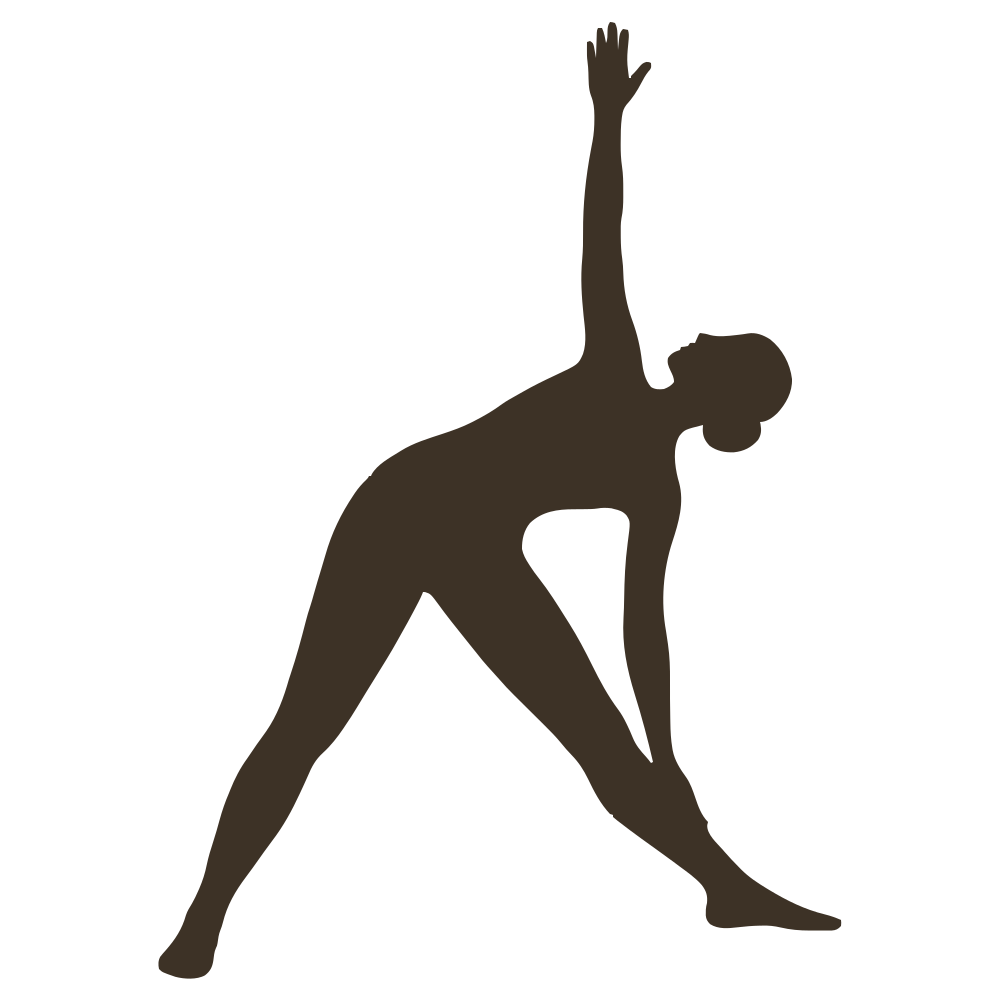
Utthita Trikoṇāsana
Triangle Pose
Updated:
Benefits
- ✓Stretches and strengthens the thighs, knees, and ankles
- ✓Stretches the hips, groins, hamstrings, and calves
- ✓Opens the chest and shoulders, improves respiratory capacity
- ✓Stimulates the abdominal organs and improves digestion
- ✓Reduces stress and anxiety through full-body extension
Instructions
- 1.
Preparation — positioning the legs
From Tadasana, jump or step wide so the feet are 100–120 cm apart. Raise the arms to the sides at shoulder height with palms facing down. Turn the right foot out 90° and the left foot slightly in about 15°. Align the right heel with the center of the left arch.
- 2.
Side bending — extending the torso
On an exhale, extend the torso to the right, initiating the movement from the hip joint, not the waist. Imagine your body is between two panes of glass and cannot lean forward or backward. The right hand reaches to the shin or a block, and the left arm rises vertically.
- 3.
Alignment in the pose
Rotate the torso to the left so the chest is open and facing forward. Press the outer edge of the left foot into the floor — this is the key point for stability. Draw the right shoulder blade in and up. Lengthen both sides of the torso evenly — do not collapse the lower side.
- 4.
Arms and gaze
Extend both arms actively — feel the energy flowing from the center of the chest to the fingertips. Turn the head upward toward the left hand. If the neck is strained, look straight ahead. Hold 30–60 seconds and repeat on the other side.
Modifications & Props
Props needed
For beginners — with a block
Place a block on the outside of the front foot at an appropriate height. Rest the hand on the block instead of the floor or shin. The block allows you to maintain length in the torso and openness of the chest instead of collapsing down. Do not sacrifice alignment for depth.
For intermediate — with a belt
Loop a belt around the front thigh and pull it back with the upper hand to open the hip joint more deeply. This helps achieve fuller rotation of the torso and better chest opening. The belt also teaches the correct direction of the thigh movement.
With wall support
Practice with your back against the wall so the buttocks and shoulder blades touch it. The wall helps you keep the body in one plane and prevents leaning forward. You can also press the back heel into the wall for additional stability.
⚠Contraindications
- •Diarrhea or low blood pressure — practice briefly and with support
- •Neck injury — do not turn the head upward, look forward or down instead
- •Headache — hold the pose briefly and breathe deeply
Frequently Asked Questions
Should the hand reach the floor?
No. In Iyengar yoga, the depth of the pose is irrelevant if alignment is compromised. Use a block to maintain proper form. Over time, flexibility will come naturally.
How do I know if I am rotating the torso correctly?
Imagine standing with your back to a wall. Both shoulders, both hip points, and both sides of the ribcage should be in one plane. If the top shoulder falls forward, the torso is not rotated enough.
Related Poses
Revolved Triangle Pose
Parivrtta Trikonasana combines rotation and balance. Learn how to prepare the body and safely enter this advanced pose using the Iyengar method.
Extended Side Angle Pose
Utthita Parsvakonasana extends the entire lateral line of the body. Learn the Iyengar technique for maximum stretch and chest opening.